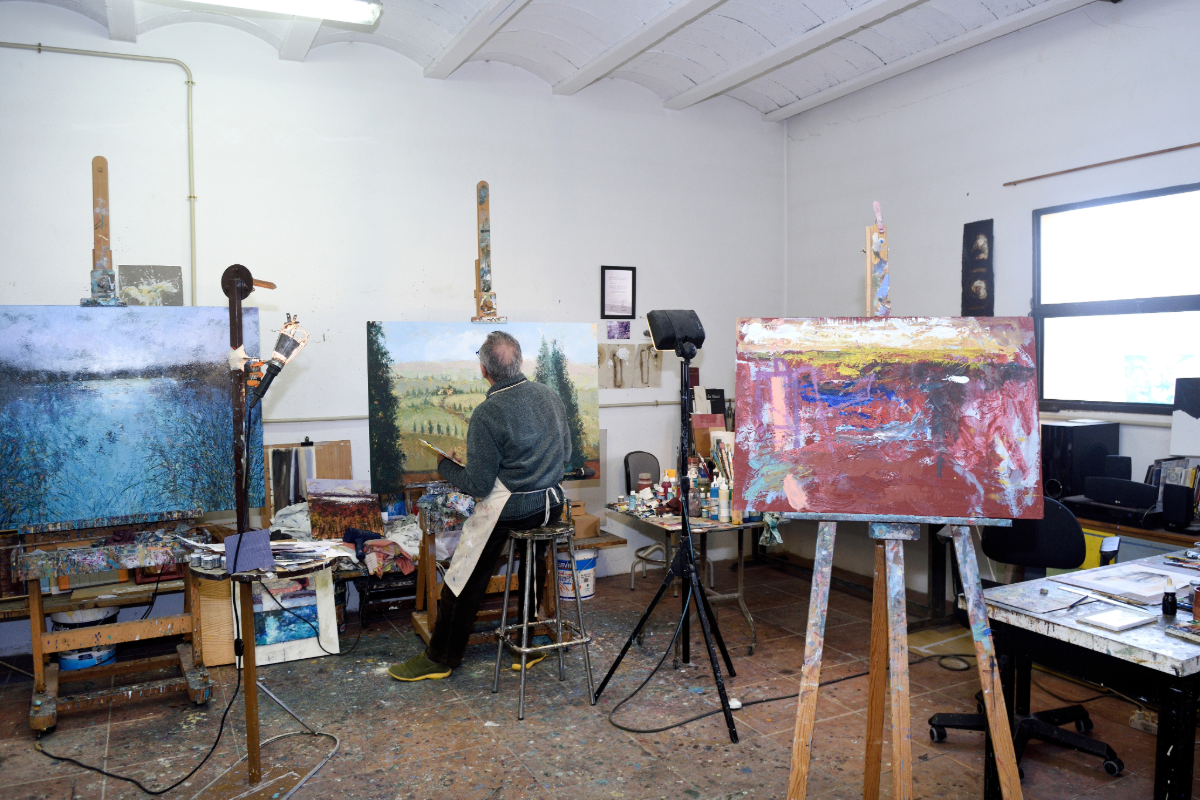
What Makes an Artwork Worth Collecting?
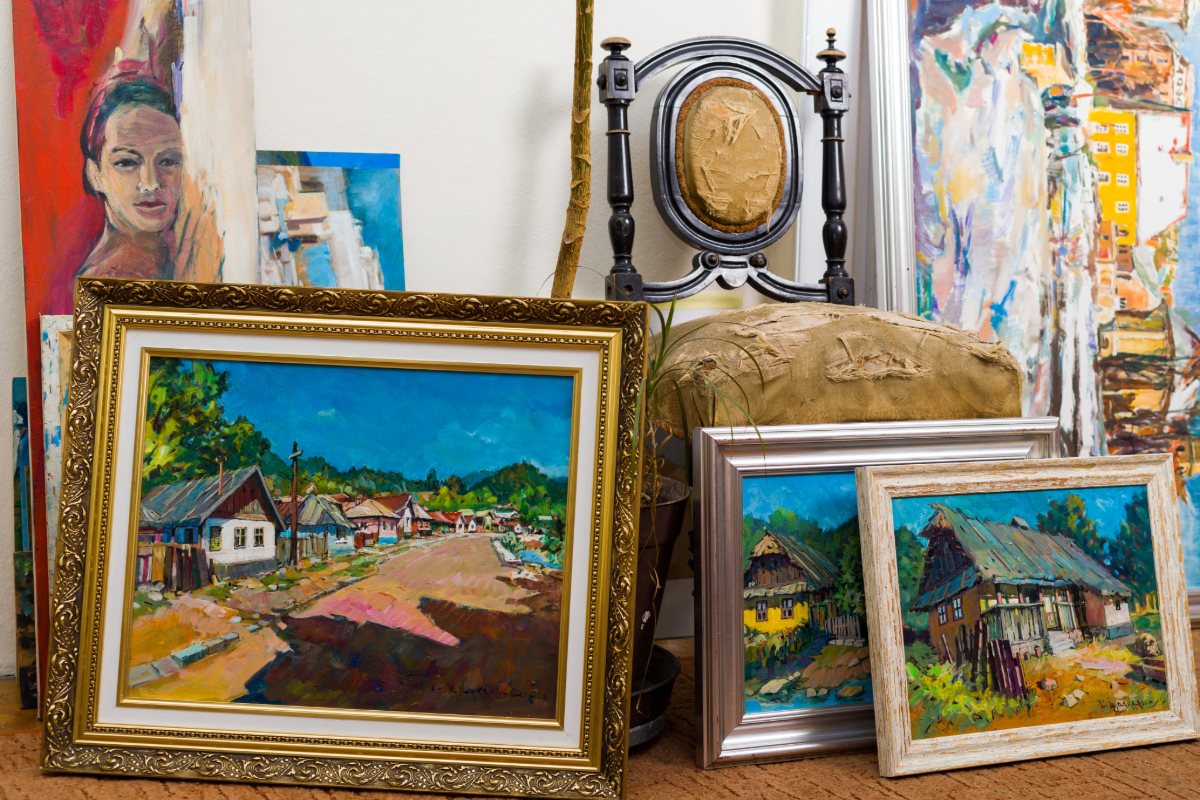
On personal connection, artistic value, and the curious psychology of collecting art.
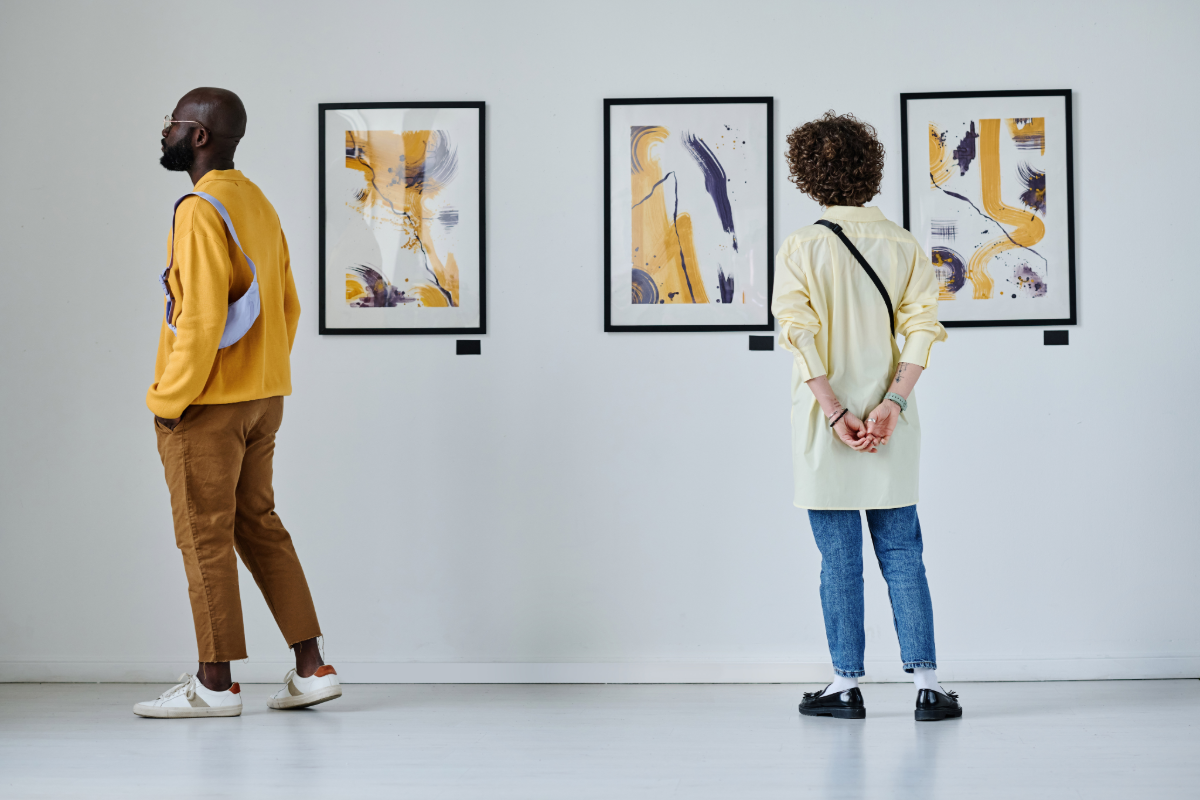
Think about a piece of art you’ve encountered that has stayed with you. Maybe it was a sculpture in a gallery, a photograph in a friend’s home, or a mural you passed on the street. Something about it caught your attention, and you found yourself returning for another look.
Perhaps you could explain exactly what appealed to you. The composition, the colors, the subject matter, or the artist’s extraordinary technical skill. Or perhaps you couldn’t quite put your finger on it.
Now consider a different question: What would make you want to own that piece? To take it home, find a place for it, and live with it for years?
It’s an interesting distinction. We can admire countless artworks without ever feeling compelled to collect them. And sometimes, a piece that might not attract much attention in a crowded exhibition becomes the one someone simply cannot leave behind.
For artists, understanding this relationship between people and the objects they choose to collect offers an interesting perspective on how art moves beyond the studio and into the world.
The Personal Nature of Collecting
People collect art for all sorts of reasons. Some are drawn to beauty or craftsmanship, others to particular subjects, movements, or artists. Some collect to support emerging talent, preserve cultural history, or build something meaningful to pass down to future generations. And yes, some approach art primarily as an investment.
But collecting is often a deeply personal experience.
A photograph might remind someone of a place they grew up. A painting might capture a particular quality of light they recognize but have never been able to describe. An abstract sculpture might appeal to someone’s fascination with form, movement, or balance.
Sometimes the connection has very little to do with what the artist originally intended.
An artist may spend months developing a work around a particular concept, only for a collector to fall in love with it for an entirely different reason. Once an artwork leaves the studio, it begins accumulating meanings and associations that its creator cannot necessarily anticipate.
That’s part of what makes art so interesting. The artist creates the work, but the viewer brings their own experiences to it.
Why We Want to Live With Art
There’s also something fascinating about the desire to own an object that moves us.
We can visit museums, attend exhibitions, and admire extraordinary works without needing to possess them. Yet collecting introduces a different relationship. An artwork becomes part of someone’s everyday environment, something they encounter repeatedly rather than experience for a few minutes in a gallery.
And that relationship can change over time.
A painting that initially appealed because of its colors might eventually become associated with a particular period of someone’s life. A photograph purchased while traveling might take on greater meaning decades later. An artwork inherited from a family member can become inseparable from the memories attached to it.
Unlike many things we purchase, art doesn’t necessarily become less interesting through familiarity. Sometimes the opposite happens.
Of course, collecting isn’t always sentimental. There are collectors who build highly focused collections around a medium, movement, historical period, or particular group of artists. The pleasure comes partly from researching, discovering connections, and gradually developing a collection that reflects their interests.
In either case, collecting is about more than acquiring objects. It’s also a way of expressing curiosity, identity, taste, and the things we find meaningful.
The Artist Behind the Artwork
For many collectors, an interest in a particular piece eventually develops into an interest in the person who made it.
They want to understand the artist’s influences, the materials they use, the ideas they return to, and how their work has developed. They might visit an exhibition, follow an artist’s career, or acquire several pieces over time.
Knowing more about an artist’s practice can add another dimension to the experience of owning their work.
Consider a sculptor who works with discarded industrial materials. Someone might initially be drawn to a sculpture because of its form or texture, but learning where those materials came from and why the artist chose them can deepen their appreciation.
The same is true of a photographer documenting a changing landscape, a painter exploring family history, or a ceramicist working with traditional techniques.
None of this means every artwork requires an elaborate explanation. Some pieces communicate beautifully without one. But the ideas, decisions, and experiences behind the work can become part of what makes it meaningful to someone else.
And for collectors who follow an artist over many years, there’s the additional pleasure of watching a creative practice evolve.
Who Decides What Art Is Worth?
This is where things become more complicated.
The price of an artwork is influenced by many factors: the artist’s reputation, exhibition history, gallery representation, demand, scarcity, provenance, condition, and previous sales. The medium, size, and uniqueness of a piece can also affect its market value.
These considerations matter, particularly within the established gallery and auction markets. But they don’t necessarily tell us whether an artwork is moving, original, intellectually interesting, or culturally significant.
Artistic value and market value are not interchangeable.
A painting might sell for an extraordinary sum because the artist has an established reputation and collectors are competing to acquire a rare work. Meanwhile, an equally compelling piece by an emerging artist might be available for a fraction of the price.
That difference doesn’t automatically tell us which artwork is better.
It tells us something about how the market currently values them.
And those judgments can change dramatically over time.
🎨Related Reading: Art Marketing 101: How to Price Your Artwork (and Know When to Raise Your Prices)
When the Art World Changes Its Mind
The history of art is full of artists whose work was overlooked, misunderstood, or undervalued during their lifetimes.
Swedish artist Hilma af Klint offers a particularly interesting example.
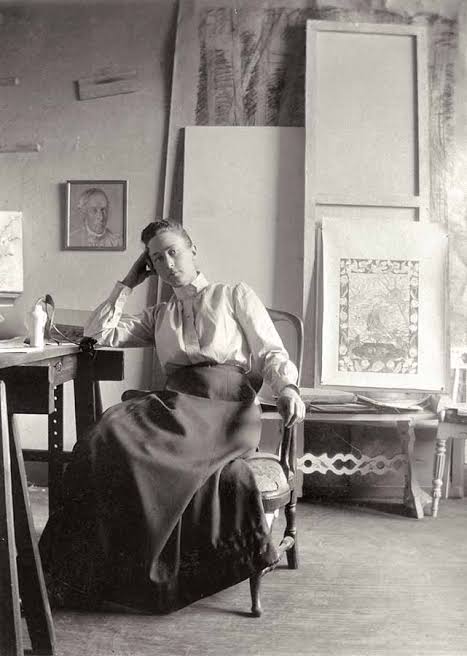
Beginning in 1906, af Klint created extraordinary abstract paintings years before several artists traditionally associated with the emergence of abstraction. Influenced by spiritualism, science, and her attempts to visualize ideas beyond the physical world, she developed a remarkable body of work that remained largely outside public view.
Much of her abstract work received little recognition during her lifetime. It wasn’t until decades after her death that audiences began to appreciate the significance of what she had created.
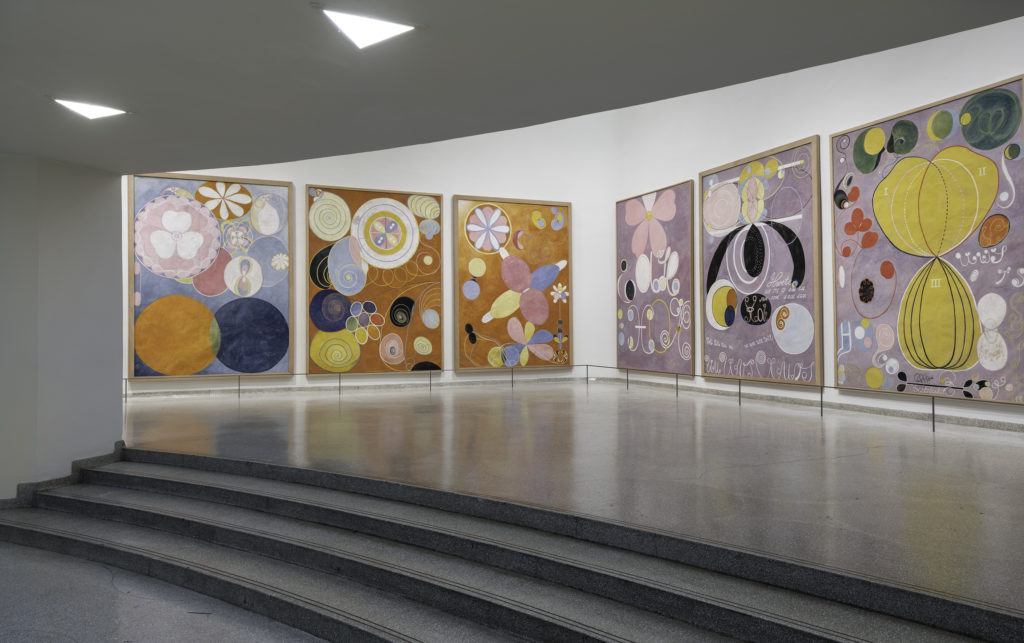
In 2018, the Guggenheim Museum in New York presented Hilma af Klint: Paintings for the Future, a major exhibition that helped bring her work to a much wider international audience and encouraged a reconsideration of the history of abstract art.
The paintings hadn’t changed. What changed was the art world’s willingness to recognize their importance.
Af Klint’s story raises an interesting question: How much significant work exists outside the institutions, galleries, and networks that traditionally determine which artists receive attention?
It also reminds us that artistic recognition isn’t always immediate, and that the value assigned to a body of work can shift as cultural perspectives change.
Making Art and Making a Living
For working artists, there’s an unavoidable practical side to this conversation.
Selling artwork matters. Collectors help sustain creative careers, and understanding how people discover, connect with, and purchase art can be genuinely useful.
But there’s a difference between understanding the market and allowing it to determine what you make.
An artist who discovers that a particular series sells well may feel pressure to continue producing similar work, even when their interests have moved elsewhere. Experimenting with an unfamiliar medium, changing direction, or pursuing a less commercially appealing idea can feel risky when sales help pay the bills.
It’s a tension many artists face, and it’s a balancing act every growing artist navigates.
Commercial success can provide the financial freedom to experiment, but it can also create expectations. Likewise, work that doesn’t immediately find a buyer may still be an important part of developing an artist’s practice.
Not every experiment needs to become a finished artwork. Not every finished artwork needs to be for sale. And not every meaningful body of work will find its audience immediately.
Understanding what collectors value is useful, but it shouldn’t become the only measure of whether a piece deserves to exist.
What Makes a Work Worth Keeping?
Perhaps the most interesting thing about collecting art is that, despite all the systems we’ve developed to assess its value, the decision to live with a particular work can remain surprisingly difficult to explain.
Two people can stand in front of the same painting and have completely different experiences. One might walk past without a second thought. The other might remember it for years.
Neither response can be reduced entirely to the artist’s reputation, technical ability, or the price on the wall.
For artists, that’s worth remembering.
The work you consider your strongest may not be the piece someone connects with most deeply. A small experiment, an older photograph, or a painting you nearly abandoned might eventually find its way into someone’s home and become one of their most treasured possessions.
You can’t predict every connection your work will make, and you certainly can’t manufacture all of them.
You can, however, continue developing your practice, exploring the subjects that interest you, and finding opportunities to share your work with the world.
Because somewhere between the artist’s intentions and the viewer’s experience, an artwork can take on a life of its own.
And sometimes, that’s what makes it worth collecting.
Keep Building Your Practice
At TheArtList, we’re here to help artists and photographers find opportunities to move their work forward and build sustainable creative careers around the work they care about.
🔍 Explore TheArtList’s opportunity database for exhibitions, grants, competitions, residencies, and other calls for artists and photographers.
📩 Join TheArtList mailing list to receive carefully selected opportunities directly in your inbox.
🎨Enter Artist of the Month for a chance to win a Jerry’s Artarama gift card and showcase your work to our growing international community.