Why Artists Have Always Kept Notes (and Why You Should Too)
From Renaissance Sketchbooks to Contemporary Artist Statements
There’s a part of the creative process most people never see. It happens before the work feels clear, before it’s ready to be shared, sometimes before you even know what you’re making yet.
It’s the stage where ideas are still loose, uncertain, overlapping, unresolved.
Historically, that’s where artists wrote.
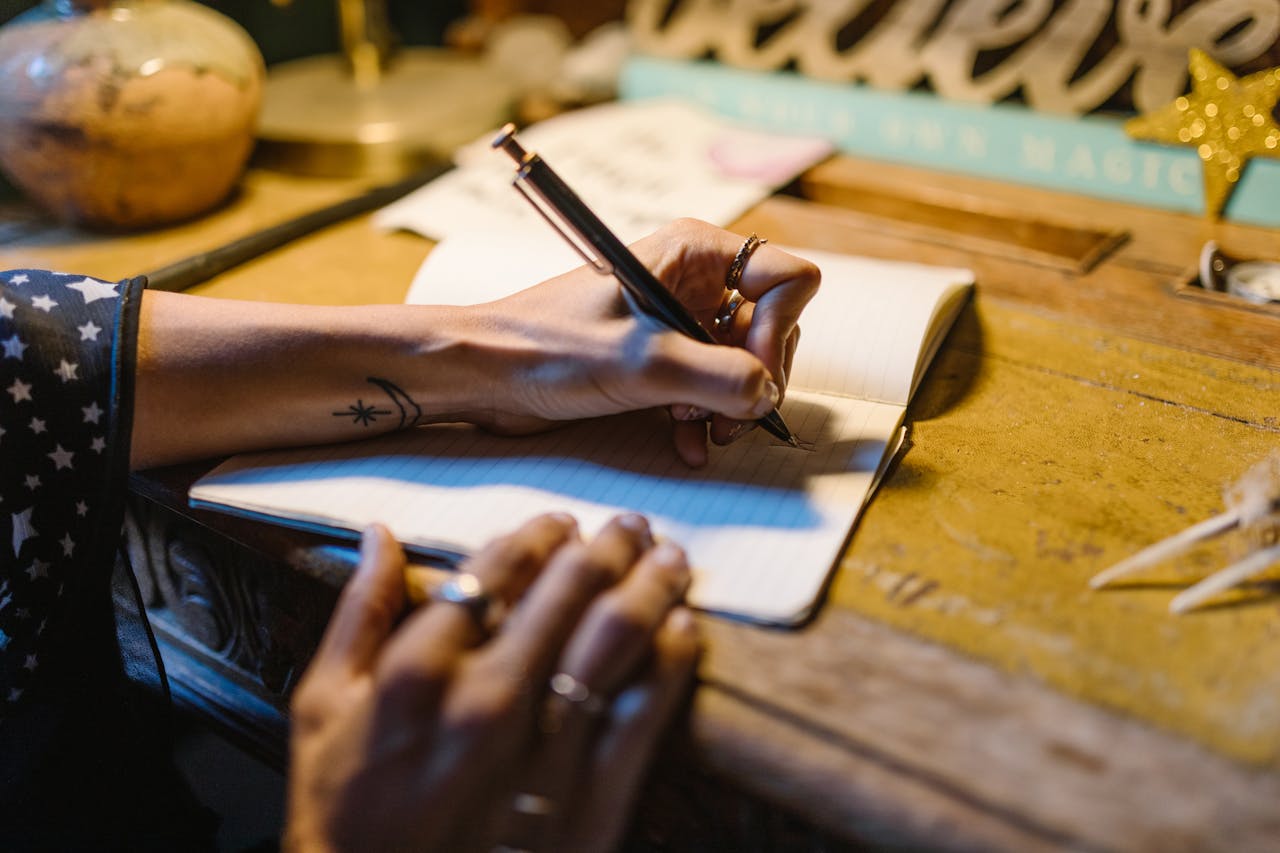
Not polished text. Not statements meant to impress jurors or collectors. Just notes: ideas, questions, observations, half-sentences, reminders to come back to something later. Writing wasn’t separate from making; it was one of the ways artists stayed close to their ideas long enough to understand them.
Today, many artists only write when they have to. An exhibition application is due. A grant requires a statement. A submission portal demands context. Social media posts need captions. So often, writing becomes reactive, rushed, and disconnected from the work itself.
Art history offers a different model. One that’s slower, quieter, and far more sustainable.
Notes Were Never About Explaining the Work
Before artist statements existed, artists still wrote constantly. Sketchbooks weren’t just for drawing; they were places to think. Pages filled with diagrams, lists, arrows, crossed-out thoughts, technical experiments, and questions that didn’t yet have answers.
Notes were not explanations for others. They were conversations with the work.
This distinction matters. When writing is private, it can be honest. It can hold doubt. It can contradict itself. It can circle the same idea again and again without needing to resolve it quickly.
That freedom is often where clarity eventually comes from.
Leonardo da Vinci: Process as Knowledge
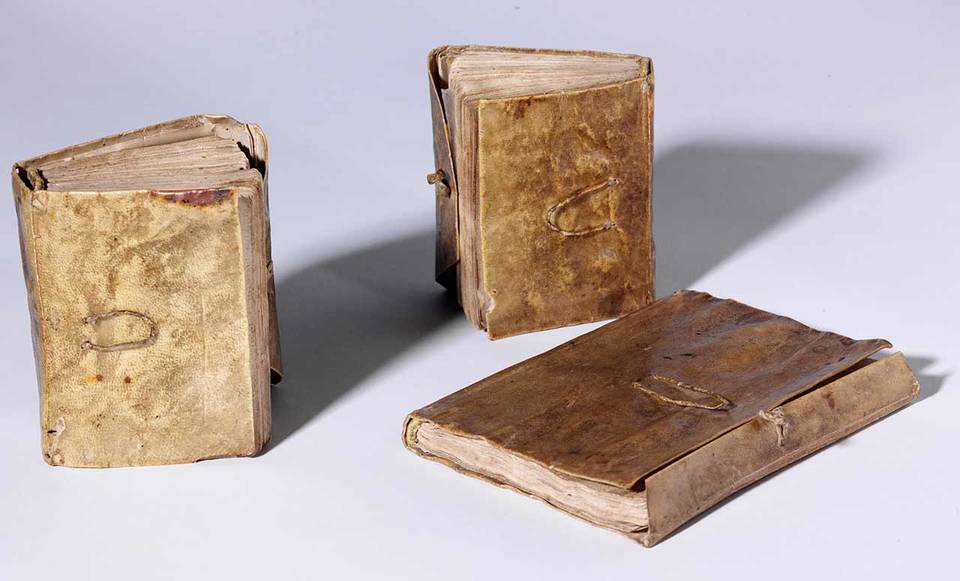
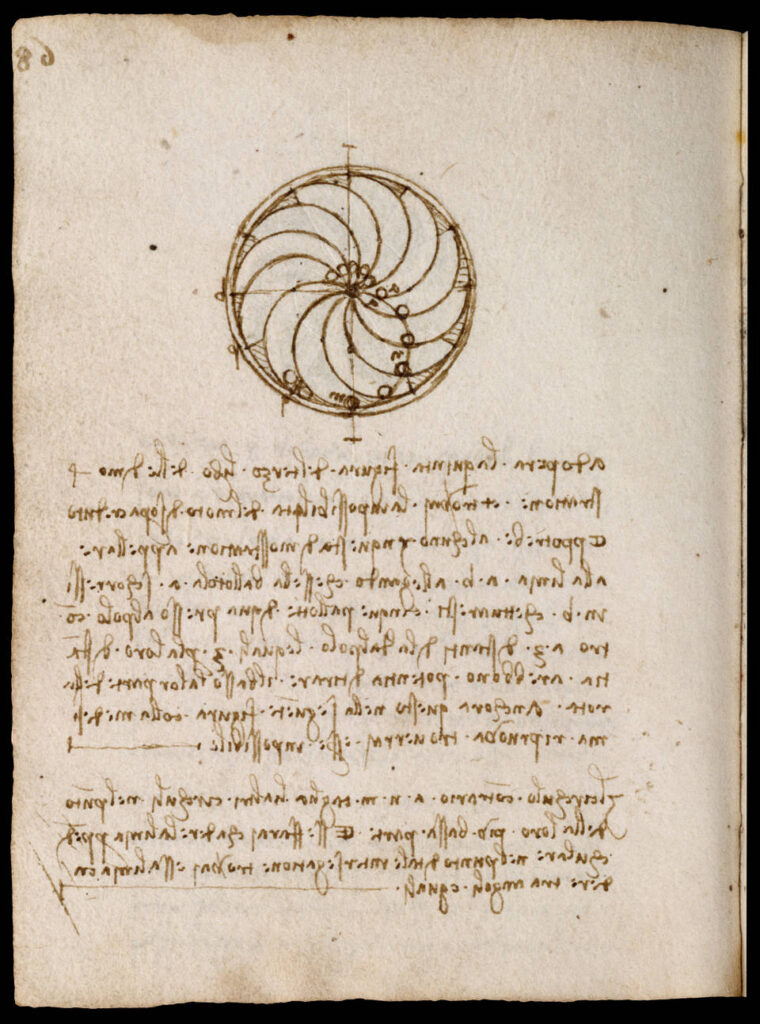
Leonardo da Vinci’s notebooks are often admired for their beauty; the mirrored handwriting, the intricate anatomical studies, and the mechanical inventions. But what’s more striking is how he used them. He wasn’t recording polished conclusions; was thinking on the page.
Working in late 15th- and early 16th-century Italy, Leonardo moved between Florence, Milan, and Rome, studying everything from human anatomy to hydraulics. His notebooks reflect that restless curiosity. On a single page, you might find a study of flowing water beside a diagram of the human shoulder, followed by a question about how light dissolves the edges of form at dusk.
He wrote directly beside his sketches, interrogating what he saw: How does muscle attach to bone? Why does shadow soften at a distance? How does motion change proportion? He returned to the same problems (light, anatomy, movement) again and again. Not because he lacked answers, but because he understood that perception deepens through repetition and sustained attention.
Importantly, these notebooks were not intended for publication. They were private laboratories. Words, calculations, diagrams, and drawings coexisted without hierarchy. The page became an extension of his studio, a place where ideas could unfold slowly, without the pressure of completion or audience.
For contemporary artists, there’s something deeply reassuring in that. Notes don’t need to be eloquent to matter. They don’t need to be shared or to resolve anything. They simply need to keep you in conversation with what you’re trying to understand.
Eugène Delacroix: Reflection as a Creative Tool
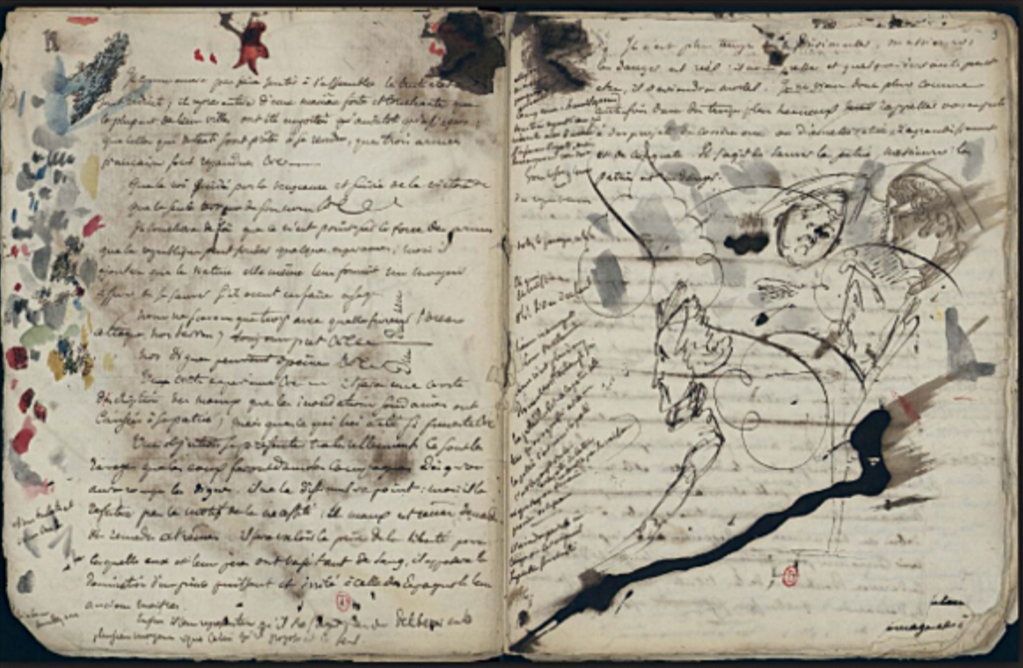
If Leonardo’s notes show curiosity in motion, Eugène Delacroix’s journals reveal the discipline of reflection.
A leading figure of French Romanticism, Delacroix wrote extensively throughout his life, not only about his own paintings, but about the work of masters he admired, including Peter Paul Rubens and Michelangelo. His journals weren’t casual diary entries; they were working documents. He used writing to slow down his reactions, to examine why a composition moved him, why a color relationship worked, or why a painting felt unresolved.
Over time, this habit of reflection sharpened his artistic instincts. By articulating what he was seeing and feeling, Delacroix clarified his own standards. He began to recognize patterns: which subjects continued to draw him back, which technical challenges demanded more attention, which emotional tones felt most honest.
For artists today, reflective notes serve a similar function. They transform experience into understanding. They create space to process decisions rather than rush past them. And perhaps most importantly, they help turn intuition into intention, without forcing conclusions before the work is ready.
Paul Klee: Learning How You Work
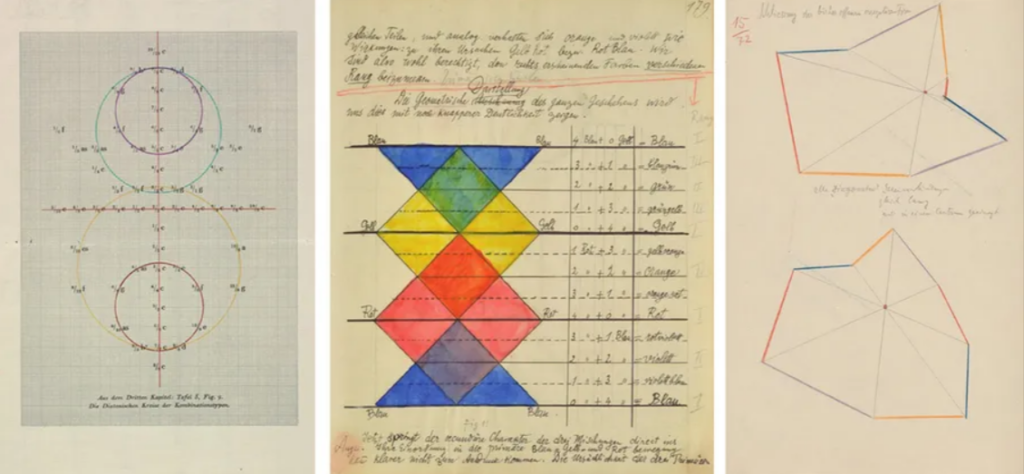
When Paul Klee began teaching at the Bauhaus in 1921 under founder Walter Gropius, abstraction was still new, even controversial. The Bauhaus aimed to unite art, craft, and design through both theory and practice, and Klee took that mission seriously. He didn’t just make abstract paintings, he worked to understand and articulate how they functioned.
His notebooks from this period, later published as the Pedagogical Sketchbook, reveal an artist thinking rigorously on the page. Klee diagrammed movement, mapped rhythm, and broke down the relationship between point, line, plane, and color. Rather than treating abstraction as pure intuition, he approached it as a visual language that could be studied and refined.
Importantly, he wasn’t writing to explain his work to an audience. He was clarifying it for himself. His notes show an artist committed to understanding his own decisions—why a composition balanced, how a form created tension, where movement emerged.
That mindset feels especially relevant now. Many artists struggle to articulate how they work, even when the work itself feels strong. Notes help bridge that gap. They create a record of experimentation and problem-solving that can be returned to later.
Over time, that record becomes invaluable—not just creatively, but professionally. When artists can speak clearly about their process, it signals depth. It shows that the work is intentional—even when it feels intuitive.
From Notes to Artist Statements (Without Starting From Scratch)
The modern artist statement can feel intimidating because it’s often written under pressure and expected to do too much at once. Explain the work. Define the concept. Sound confident. Sound coherent.
When artists keep notes as part of their practice, statements stop feeling like performances. They become distillations.
Instead of inventing language at the last minute, artists can draw from years of recorded thoughts: recurring questions, evolving themes, shifts in direction. The language already exists, it just needs shaping.
This continuity matters to jurors and curators. They’re not looking for overly academic writing; they’re looking for coherence. They want to feel that the work comes from sustained attention rather than a one-off explanation.
Notes make that coherence possible.
🎨 RELATED READING: How to Write an Artist Statement That Stands Out
Social Media, Process, and the Need for Private Space
For many artists today, social media has become a kind of public notebook. Sharing works in progress, captions about ideas, glimpses of process, it can be genuinely useful. It can help artists articulate thoughts in real time and connect with others navigating similar questions.
But social platforms are designed for visibility. They reward clarity over complexity, confidence over uncertainty, resolution over exploration. They’re built for audiences, algorithms, and outcomes, not for the fragile stages of thinking where ideas are still forming.
There’s an important difference between sharing a process and protecting it.
Having documentation that belongs only to you, notes that don’t need to be posted, explained, or approved—creates space for doubt, contradiction, and slow development. It allows ideas to mature before they’re exposed to feedback or expectation.
The most sustainable practices usually involve both: moments of sharing, and places where the work can remain unfinished and unresolved.
Notes as a Record of Growth
One of the most powerful things about keeping notes is what happens when you look back at them years later.
You see how your thinking shifted. Which ideas stayed. Which questions returned when you were finally ready for them.
In a culture that pressures artists to constantly move on, notes offer a different perspective. They remind you that returning to an idea isn’t stagnation; it’s commitment.
From a professional standpoint, this history matters. Artists who can articulate how a body of work developed (what guided it, what changed it) signal seriousness. Jurors recognize that depth.
Writing Is Part of the Practice
Art history makes this clear: writing has always been part of artistic practice. Not as an obligation, but as a tool.
Notes don’t have to be tidy. They don’t have to be public. They just have to exist.
Whether you use a sketchbook, loose pages, a notes app, or a studio journal, consistency matters more than format. Over time, that consistency becomes clarity. It becomes a voice.
Artists who document their thinking don’t just make work, they build practices that are legible, intentional, and resilient.
Bringing It Back to Opportunity
When it’s time to submit work—to exhibitions, juried shows, or open calls—this accumulated thinking makes a difference.
Strong submissions don’t come from memorized language. They come from artists who understand their work because they’ve lived with their ideas long enough to speak about them honestly.
That’s the kind of practice TheArtList exists to support.
At TheArtList, artists and photographers can:
- Join our mailing list for curated open calls and exhibition opportunities
- Search open calls and juried exhibitions that value coherence, intention, and sustained engagement
- Build long-term momentum, submitting work that reflects both image and purpose
- Enter the Artist of the Month Contest to gain national visibility
Archiving your work is essential.
Archiving your thinking changes everything.